
The Science to Clinic Committee
The S2C Committee is dedicated to advancing translational research in celiac disease by promoting knowledge dissemination, fostering international collaborations, and encouraging translational interactions among scientists, clinicians, and pharmaceutical partners.
The committee aims to build a dynamic network that enhances opportunities for scientific learning and the exchange of ideas, ultimately driving collaborative and translational initiatives to accelerate progress to deliver cure for celiac disease.
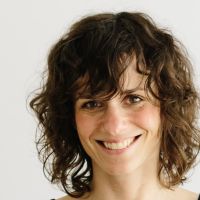
Chair: Dr Ainara Castellanos-Rubio
Ainara Castellanos-Rubio is an Associate Professor in the Department of Genetics at the University of the Basque Country, Spain. Her research focuses on functional genetics and molecular mechanisms underlying disease, with a particular emphasis on RNA-regulated processes. Her work aims to characterize alterations in RNA biology that precede disease onset and to translate these findings into novel therapeutic strategies. She is a board member of the Spanish Celiac Disease Society and chair of its Basic Science Group.
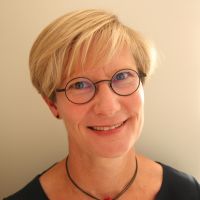
co-Chair: Dr Kati Juuti-Uusitalo
Kati Juuti‑Uusitalo is a cell biologist, Adjunct Professor, Senior Researcher, and the Leader of the Celiac In Vitro Models Research Group at Tampere University. Her work focuses on developing physiologically relevant induced pluripotent stem cell (iPSC)–based preclinical models for celiac disease, with the goal of advancing understanding of its pathogenesis. She has more than 20 years of experience in the development of epithelial in vitro models.
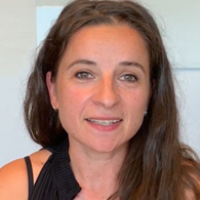
co-Chair: Dr Valérie Abadie
Dr Valérie Abadie, PhD, is a Research Associate Professor of Medicine in the section of gastroenterology, hepatology and nutrition at the University of Chicago and the Associate Research Director of the Celiac Disease Center. Her research program focuses on defining immune mechanisms that drive intestinal inflammation and tissue damage, improving our understanding of celiac disease pathogenesis.
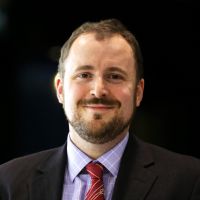
Dr Michael Fitzpatrick
Doctor Michael Fitzpatrick is an adult consultant gastroenterologist at the John Radcliffe Hospital, Oxford, UK. He is also an immunologist researcher at the Translational Gastroenterology and Liver Unit at the University of Oxford. His research focuses on T cell biology and advanced Omics approaches in the gut in coeliac disease.
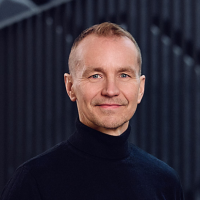
Associate Professor Keijo Viiri
Keijo Viiri, PhD, is an Associate Professor (tenure) of Molecular Medicine at the University of Oulu, Finland, and the group leader of the Intestinal Signalling and Epigenetics (ISE) group. He also leads a research team at Tampere University, where he holds a secondary affiliation as a Senior Researcher (Docent).
Keijo received his PhD from the University of Tampere in 2009 and completed his postdoctoral training at the University College London Cancer Institute (UK) from 2009 to 2013. In 2017, he established his own research group as an Academy Research Fellow at the Faculty of Medicine and Health Technology, Tampere University.
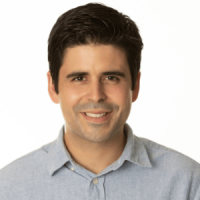
Professor Alberto Caminero
Alberto is an Assistant Professor at the Farncombe Family Digestive Health Research Institute, McMaster University in Canada. He is an early career investigator and his research program focuses on diet microbiota interactions of relevance in food sensitivities such as celiac disease. Specifically, he is interested in microbial factors involved in the pathogenesis of celiac disease and the role of microbes in gluten metabolism.
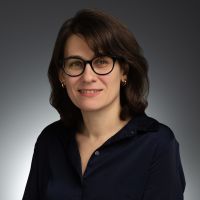
Dr Esen Sefik
Dr. Esen Sefik is an assistant professor in the Department of Immunobiology and Section of Human Translational Immunology at Yale University School of Medicine. She earned her B.S. from Yale College and her PhD from Harvard University.
During her doctoral training, she explored host-microbe interactions from a tolerogenic perspective, focusing on maintaining tissue-level homeostasis. To investigate how microbiota aid the maturation of the host immune system, she conducted a pioneering large-scale screen. This involved colonizing germ-free mice with individual bacterial strains. Through focused analysis, she uncovered microbiota-dependent transcriptional control mechanisms affecting Foxp3+ regulatory T cells and IL17-producing T cells. Her findings challenged earlier research on Rorγ and Foxp3, suggesting a collaborative rather than competitive regulation, facilitated by microbiota.
During her postdoctoral training, Dr. Sefik used humanized mice to model human-microbe interactions in chronic infectious and inflammatory diseases. She modeled severe COVID-19 in humanized mice, which exhibited persistent lung pathology similar to that in human patients. Mechanistic studies of this model revealed a cascade of events highlighting the unique contributions of human immune cells, particularly macrophages, to lung pathology. These mice also proved to be excellent models for studying fibrotic diseases with microbial etiology.
Supported by the Celiac Disease Foundation and the Takeda Early Career Award, she is developing Hu-CeD, a next-generation humanized mouse model that generates a human mucosal immune system to study gluten-specific human immune responses. The model builds on her PNAS study (Jan 2026), defining pathways of cytotoxic T cell activity and IFN-γ–mediated villous injury in CeD.
Various immune and non-immune cells interact to form a coherent system in tissues. Dr. Sefik is interest in how this system fails during chronic infections. Her work emphasizes the delicate balance maintained by host-microbe-diet interactions, a balance critical for immune system development yet vulnerable to the ravages of chronic inflammatory stimuli. Her goal is to continue elucidating these complex biological mechanisms, contributing to our collective knowledge and the potential for therapeutic advancements.
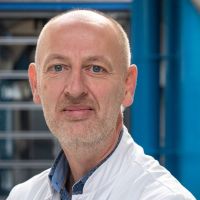
Professor Gerd Bouma
Gerd Bouma got his MD and PhD at the Amsterdam. Following a postdoc in mucosal immunology at Warren Strober’s lab at the National Institutes of Health in the USA (1998-2002) he trained as a Gastroenterologist in Amsterdam. In 2015 he was appointed professor of Gastroenterology and Hepatology. Since then he works as a clinical gastroenterologist and Principal Investigator in basic, translational and clinical research in the field of inflammatory disorders of the gastrointestinal tract and liver with a special emphasis on celiac disease and other immune mediated small bowel disorders.