
The Asia Pacific Regional Group
As celiac disease continues to emerge globally, the Asia Pacific region is experiencing a growing number of patients. This Regional Group focuses on addressing the specific needs and challenges unique to the Asia Pacific population.
The Committee’s objectives are:
- Improve the knowledge, awareness and specialist expertise of celiac disease within the Asia Pacific region
- Encourage the expansion of clinical research centers and promote the involvement of the region in global pharmaceutical development programs
- Develop appropriate guidelines for standardising and optimising the care of patients with celiac disease
The Committee will also seek to facilitate Asian language communications with relevant groups.
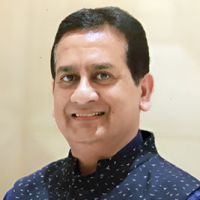
Chair: Professor Govind Makharia
India
Professor Makharia is based in the Department of Gastroenterology and Human Nutrition, All India Institute of Medical Sciences, New Delhi, India. Through a systematic review and meta-analysis, which has been highly cited, Dr Makharia and his team explored the global burden of celiac disease and found it to be 0.7%. He and his team conceptualised a pilot multinational Asian study including Indonesia, Thailand, Japan, Singapore, China and India, which has shown prevalence of celiac disease to be 2.4% in patients with irritable bowel syndrome. Through this study, it came to light that celiac disease is indeed emerging in Asia.
With the support of the ISSCD, Prof Makharia, along with his team organised the International Celiac Disease Symposium (ICDS) in India in 2017 which was a huge success. In spring 2024, Prof Makharia led and hosted the inaugural Asian Pacific Celiac Disease Symposium and he will constitute the Asia Pacific Society for the Study of Celiac Disease (APSSCD) within ISSCD. To aid improvement in patient care, he and his team have been working on developing a Celiac Care Mobile application. He has authored more than 359 papers (h-index 60) and is the recipient of research grants from various funding agencies worth more than USD 1,795,983.

Dr Robert Anderson
Australia
Dr Anderson is an Australia-based gastroenterologist, translational immunologist, and pharmaceutical and diagnostic developer. Dr Anderson has a global and multi-disciplinary perspective on celiac disease. He trained in medicine and completed a doctorate in New Zealand, and then completed specialist gastroenterology training in Melbourne, Australia.
His research in celiac disease began as a post-doctoral fellow at Oxford University focused on T cells and continued in Melbourne and then Boston USA designing and overseeing preclinical and clinical development of gluten-specific immunotherapy. He has led basic, preclinical and clinical research and pharmaceutical development programs focused on defining and modifying the adaptive immune response to gluten. He is a clinician-scientist who has worked closely with celiac disease patient support groups and industry. Currently, he is leading commercial development of T-cell diagnostics at Novoviah Pharmaceuticals, advises biopharmaceutical developers, and practices clinical gastroenterology at Mackay Base Hospital.

Dr Sasha Mealing
Australia
Dr Mealing has an interest in collaborative, multidisciplinary models of care and the development of practical tools to support clinicians, patients, and health systems. She contributes to education and training through teaching and mentoring medical students, junior doctors, and specialty trainees, and is involved in training committees, accreditation, and assessment activities. She is interested in strengthening regional collaboration across the Asia-Pacific to improve outcomes for children with coeliac disease.
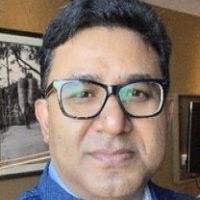
Dr Prasenjit Das
India
Dr Prasenjit Das is a Gastrointestinal Pathologist working in All India Institute of Medical Sciences, New Delhi, India. Dr Das has worked significantly in enteropathy disorders including celiac disease, with focus on pathology, pathogenesis, histological scoring, follow up biopsies, and in refractory celiac disease. Dr Das also is working on developing deep neural based algorithms for automated, assisted, and faster interpretation of enteropathy disorders and histological grading, and the same is currently undergoing validation. Apart from celiac disease, Dr Das is also working on other enteropathy disorders such as autoimmune enteropathy and its detection techniques. His laboratory is also working on ex-vivo organoid models in celiac disease. Dr Das led a team of expert gastroenterologists from Indian Society of Gastroenterologists and Indian Association of Pathologists and Microbiologists to formulate a working guideline for pathologists for sampling, handling of mucosal biopsies, interpretation and histological scoring for all pathologists in India with the aim to unify and standardize the interpretation and reporting across the country (DOI: 10.4103/IJPM.IJPM_1405_20).
Dr Das together with Dr Govind K Makharia played a significant role in organizing training workshops for pathologists in various part of India to enhance expertise in interpretation of enteropathy disorders. In the Asia Pacific Society for the Study of Celiac Disease (APSSCD) meeting hosted by Dr Makharia in New Delhi in 2024, a similar training workshop was organized for the young trainers. Dr Das has authored more than 270 articles with h-index of >50, have many research grants, and was the lead editor of the textbook ‘Surgical pathology of the Gastrointestinal Tract’, Springer, Singapore, 2022, ISBN: 978-981-16-6395-6. Dr Das is also serving as the Secretary General, Gastrointestinal and Hepatopancreatobiliary Association of India, Hon. Secretary, Indian Association of Pathologists & Microbiologists, and Councilor, Indian Division of International Academy of Pathology (IAP-ID).
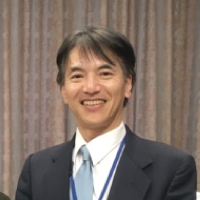
Professor Ryota Hokari
Japan
Professor Hokari currently serves as the Head of the Department of Internal Medicine at the National Defense Medical College in Tokorozawa, Japan. With a distinguished career in gastroenterology, his research focuses on mucosal immunity, intestinal lymphoid cell trafficking, and the underlying mechanisms of inflammatory bowel diseases (IBD).
Professor Hokari has made significant contributions to our understanding of celiac disease and gluten-related disorders within the Japanese population. His pivotal research includes:
Epidemiological Studies in Japan: He has led extensive screenings for celiac disease antibodies (tTG and DGP) in Japan, providing critical data on the extremely low prevalence of biopsy-confirmed celiac disease in the region.
Gluten Intolerance and IBD: His work has explored the high positivity of serum celiac markers in IBD patients, suggesting a complex relationship between gluten intolerance and intestinal inflammation even in the absence of classical celiac disease.
Mucosal Immunology: His expertise in gut-associated lymphoid tissue (GALT) and immune cell migration has been instrumental in characterizing the unique clinical landscape of gluten-mediated diseases in Asia.

Penny Dellsperger
Australia
Penny Dellsperger is an Australian Accredited Practising Dietitian, recognised as a leading voice in the field of coeliac disease. With nearly 20 years of dedicated experience in the area, she previously led Coeliac Australia’s policy, advocacy, research, and knowledge translation efforts. Now operating as an independent consultant, she continues to be a passionate advocate for individuals with coeliac disease.
Penny is actively engaged in the research space, championing meaningful consumer and patient involvement in research, and contributing to protocol design and the ethical conduct of trials to ensure studies reflect the real-world needs of those living with coeliac disease. She is equally committed to shaping the food legislation and regulatory landscape, contributing through submissions to government and regulatory bodies, advising on food labelling standards, and participating in stakeholder consultation and policy development.
Her lived experience with the condition fuels her commitment to empower those living with coeliac disease through expert, evidence-based and consumer-focused policy.
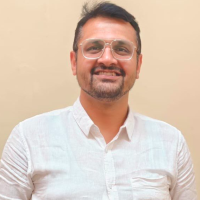
Dr Ashish Chauhan
India
Dr. Ashish Chauhan is a young clinician-scientist in the field of celiac disease and gluten-related disorders, dedicated to bridging the gap between translational research, regional collaboration, and global patient care. He currently serves as a Consultant Gastroenterologist at the Atal Institute of Medical Superspecialities in Shimla, in a Northern state of India.
Dr. Chauhan’s specialized journey in celiac disease began over a decade ago during his gastroenterology fellowship under the mentorship of Prof. Govind Makharia at the prestigious All India Institute of Medical Sciences (AIIMS), New Delhi. This foundational collaboration has continued, yielding significant research contributions.
His research has provided critical insights into the systemic manifestations and management of celiac disease, notably:
- Pan-GI Involvement: Dr. Chauhan pioneered work proving the pan-gastrointestinal involvement of celiac disease, demonstrating histologically that characteristic pathological changes can extend into both the esophagus and the large bowel.
- Gluten-Free Diet (GFD) Adherence: He co-authored a recent comprehensive meta-analysis that exposed critical gaps in real-world disease management, revealing a profound lack of adherence where one out of three patients remains non-compliant with a GFD.
- Asian CeD study: He was an integral part of a pilot multinational Asian study spanning Indonesia, Thailand, Japan, Singapore, China, and India, which uncovered a notable 2.4% prevalence of celiac disease among patients presenting with Irritable Bowel Syndrome (IBS).
He is deeply committed to strengthening regional research and clinical collaborations across the Asia-Pacific zone.

Dr Eddy Choon Jin Ooi
Singapore
Dr Eddy Choon Jin Ooi obtained his MBBS from National University of Singapore and is a fellow of the Royal College of Physicians, Edinburgh and Academy of Medicine Singapore. From 1998 to 2000, he trained at the Center for the Study of Inflammatory Bowel Disease at Massachusetts General Hospital and Harvard Medical School.
His current appointments include: President of the Asian Pacific Association of Gastroenterology (APAGE) and Chair for APAGE Inflammatory Bowel Disease Committee; President for Asian Education Network in Inflammatory Bowel Disease (AEN-IBD); Advisory Board Member, Asian Organization of Crohn’s and Colitis; Associate Professor (Adjunct), Duke-NUS Medical School, Singapore.
His past appointments are as follows: Associate Professor, Duke-NUS Medical School; Clinical Associate Professor of Yong Loo Lin School of Medicine, Singapore; Chairman of the Chapter of Gastroenterologists, Academy of Medicine Singapore; President of the Gastroenterological Society of Singapore; Co-President of APDW 2011 in Singapore; Director of the Asian Pacific Digestive Week Federation (APDWF).

Dr Abdulaziz Alorafah
Saudi Arabia
Dr. Abdulaziz Alorafah is a Saudi Arabia–based clinical immunologist, researcher, and academic leader with expertise in immune-mediated diseases, translational immunology, and biomedical research. He is an Assistant Professor of Clinical Immunology at King Saud bin Abdulaziz University for Health Sciences (KSAU-HS), where he also serves as Assistant Dean of Postgraduate Studies and Chairman of the Research Unit at the College of Science and Health Professions.
Dr. Alorafah received his PhD in Immunology from the University of Alabama at Birmingham and his MSc in Immunology and Infections from UT Health San Antonio. His research has focused on inflammatory and immune mechanisms, particularly macrophage and lipid signaling in type 1 diabetes, as well as natural killer cells and mesenchymal stem cells. His work has resulted in publications in journals including Diabetes, Frontiers in Immunology, Biomolecules, and Stem Cell Research & Therapy.
Alongside his research and academic roles, Dr. Alorafah contributes to the development of research education and postgraduate training and is actively involved in advancing celiac disease research and education in Saudi Arabia. He currently serves as Vice Chair of the Organizing Committee for Celiac Advances in Research and Education (CARE) 2026 and contributes to initiatives aimed at strengthening international collaboration in celiac disease research, education, and patient care.
Dr Areej Rashed AlSunaid
Saudi Arabia
Dr. Areej Rashed AlSunaid is a Consultant Pediatric Gastroenterologist and Hepatologist at King Abdullah Specialized Children’s Hospital (KASCH), Riyadh, and an Assistant Professor at King Saud bin Abdulaziz University for Health Sciences (KSAU-HS).
She completed her Pediatric Gastroenterology and Hepatology Fellowship at McMaster University, Canada, with additional training in pediatric hepatology and liver transplantation at SickKids Toronto and King’s College Hospital, London. She also holds a Diploma in Clinical Research from McMaster University and an Executive MBA.
Dr. AlSunaid serves as Program Director of the Pediatric Gastroenterology and Hepatology Fellowship, leads the Home Parenteral Nutrition Program, and is the Gastroenterology Lead for the multidisciplinary Aerodigestive Team at KASCH.
Her clinical and academic interests include pediatric intestinal rehabilitation and nutrition, celiac disease and eosinophlic GI disorder. She is currently completing a Fellowship in Integrative Medicine at the Andrew Weil Center for Integrative Medicine, University of Arizona, expanding her interest in evidence-based, whole-person care and preventive medicine.

Dr Mona Aldubayan
Saudi Arabia
Dr. Mona Aldubayan, PhD, RD is Director of the KAIMRC Research Academy at King Abdullah International Medical Research Center (KAIMRC) and Assistant Professor of Clinical Nutrition at King Saud bin Abdulaziz University for Health Sciences in Riyadh, Saudi Arabia. She holds a PhD from the University of Copenhagen, where her doctoral work focused on precision nutrition and metabolic health. Dr. Aldubayan’s research interests span precision and clinical nutrition, metabolic health, the gut microbiome, and nutrition-related biomarkers, with a particular interest in translating scientific evidence into clinical and public health practice. Her work also extends to research education, capacity building, and multidisciplinary collaboration. Her work in celiac disease includes initiatives focused on awareness, education, and research collaboration in Saudi Arabia, with an interest in strengthening regional partnerships and evidence-based nutrition care.