
Central Asia – Mongolian Iranian Celiac Disease Taskforce
A look into the future, 2026-2035 and beyond
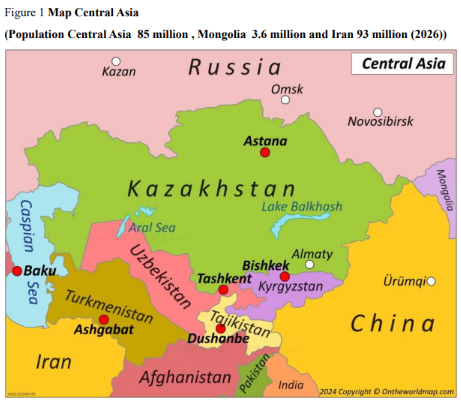
The first meeting of the Central Asian Task Force for coeliac disease (CD) was held in Tashkent, Uzbekistan on March 27-28, 2026. The main objectives of this group with 18 participants were to discuss current knowledge, exchange experience, improve collaboration on CD, and to identify research priorities. A panel of CD- experts from this region with a combined population of 175 million inhabitants took part in this workshop. All the participants addressed issues specific to CD and discussed how to improve future research and have a look into the future. In addition, legal issues related to food labelling and availability of gluten-free food (GFD) were discussed.
There is limited data on CD from Central Asia and Mongolia. In contrast data from Iran show a rapid increase in the number of diagnosed cases since early 2000’s. Limited data are available and likely due to low awareness, limited access to diagnostic serological tests especially in rural areas, and the strong belief that CD is uncommon. Studies from Central Asia and Iran demonstrated that the HLA genetic predisposition to CD is comparable to that observed in European countries, as is the dietary intake of gluten or even higher. Annual wheat consumption exceeds 150 kg per person per year (Central Asia), compared with much lower wheat intake in South-East Asia (<25 kg/year). The prevalence of HLA-DQ2 and HLA-DQ8 haplotypes in the general population in Mongolia is unknown, however wheat intake is comparable to Central-Asia.
Rural gastroenterology is more than a niche concern. It reflects the broader challenges of workforce maldistribution, geographic barriers, and an uneven infrastructure that restricts rural health care in these low-populated countries, especially in huge counties like Kazakhstan and Mongolia. The classical triad of symptoms of chronic diarrhoea/malabsorption, anaemia, failure to thrive is common. Interestingly anaemia seems less common due to the local high red meat consumption. An upsurge has been observed by clinicians from Iran since early 2000’s, in contrast to Mongolia and Central Asia. Ultrasound seems better available in rural areas than endoscopy, however not mentioned in current guidelines. If clinicians recognize decreased numbers of jejunal folds, increased numbers of ileal folds and thickening of bowel folds, dysmotility, jejunal dilatation, and intermittent intussusception they consider CD and request tTGA serology.
In most parts of the Central Asia, Iran and Mongolia, diet is mainly meat- and wheat- based making strict gluten avoidance particularly difficult. Traditional cuisine includes many dishes that are naturally GF when prepared in their classic forms. Gluten‑free (GF) food labelling across Central Asia, Mongolia and Iran remains largely undeveloped, with no country in the region adopting a legally defined threshold. It makes sense for patients to use solely home grinding for GF raw material. Versatile, reliable grinding machines capable of handling raw materials are essential. Affordable machines (up to 100 $, 2026) to mill are available, Limited availability and poor quality of GF foods were identified as the most important barriers to adherence. Commercially available Russian and European GF products are limited available in Central Asia and Mongolia. Most GF products are imported; GF products tend to be relatively expensive. Iran is producing proper GF packaged food. Using buckwheat for GF products seems mandatory in these regions.
Conclusion
The Task Force met to have a look into the future in Tashkent, Uzbekistan : (1) focus on diagnosis and prevalence research; (2) promote affordable serological testing for all socioeconomic strata; (3) improve involvement of medical subspecialties; (4) suggest proper gluten-free legislation for wheat food labelling; and (5) organize affordable gluten-free food for CD patients in general.
Key recommendations (2026–2030)
- Standardize local tTGA testing to ≤ 5-10$/test; evaluate point-of-care tests in rural clinics
- Conduct population-based serosurveys in Central Asia, Iran and Mongolia (n≥1000 each)
- Advocate for mandatory gluten-free labelling standards (≤20 ppm)
- Evaluation of abdominal ultrasound in CD recognition especially in rural areas
- Establish CD patient associations to improve patient empowerment in Central Asia, Mongolia, and Iran
- Develop online CD training modules for clinicians in local languages
Task Force Group
- Svetlana Geller, Tashkent
- Mohammed Rostami, Teheran
- Tungalag Byambadorj, Ulaanbaatar
- Kanat Batyrbekov, Astana
- Baktygul Chubakova, Bishek
- Altinoy Kamilova, Tashkent
- Gulnoza Azizova, Tashkent
- Chris Mulder, Amsterdam